
Leading with Heart in a High Tech World
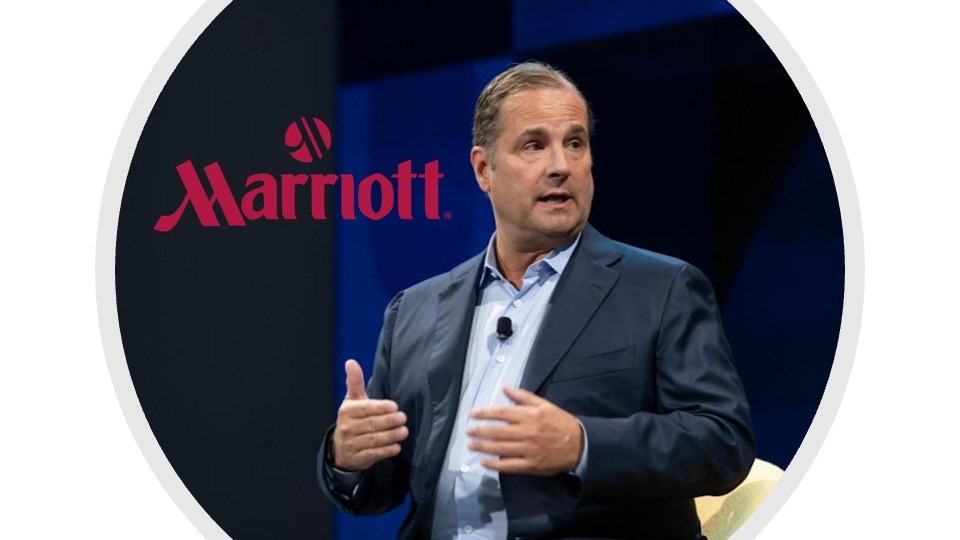
The start to 2026 seems to have been dominated with innovations in the physical AI space and robotics. It’s easy to get distracted with this interesting technology. The latest episode of How Leaders lead featured an interview with Tony Capuano the CEO of Marriott International. I really enjoyed listening to this interview. What struck me was how hospitality is ultimately a human connection business and technology’s highest purpose is to enable that connection, never to overshadow it.
From his earliest days as a pot washer to now leading nearly 10,000 hotels worldwide, Capuano’s philosophy is built on humility, service, and relentless curiosity. Here are the five heart‑centered themes from his leadership journey that remind us what thriving, human‑first organisations look like. I took five key themes from the interview:
1. Human Connection Comes First—Technology Should Simply Make Room for It
Capuano is clear: no successful hotel will ever be “full of robots.” Marriott’s massive tech transformation—replatforming its reservation, property management, and loyalty systems—is not about replacing people. It’s about giving them time back.
He shares the vision of a front‑desk agent no longer chained to a glowing screen. With better tech, they can gain 90 extra seconds to look a weary traveller in the eyes, notice their exhaustion, and create a moment of unexpected care. In Capuano’s world, that’s not a small thing. It’s everything.
Technology is an enabler—a quiet backstage partner that lifts people up so they can deliver the kind of warmth that defines hospitality.
2. Success Is Never Final: Fight Complacency With Curiosity
One of Marriott’s core values, “Success is never final,” guides Capuano daily. He talks often about the danger of complacency. With Marriott dominating the hotel industry they might be tempted to become complacent.
Capuano combats stagnation through intellectual curiosity. He dives deep into unfamiliar spaces—from cruise lines to AI—not because he has to, but because staying curious is how leaders grow. It’s also how organisations avoid becoming relics in an ever‑changing world.
Curiosity fuels connection. It keeps leaders listening, learning, and evolving.
3. Culture Lives in Everyday Actions, Not Slogans
Values carved in granite matter. But culture—the lived expression of those values—breathes and changes.
Capuano believes every associate should actively contribute to the company’s culture through daily actions: the way they treat guests, the way they help one another, the way they show up on hard days. Culture isn’t inherited. It’s practised.
And when leaders honour the dignity of every role—like the Italian servers he admires who have spent decades perfecting their craft—it shows that service is not a stepping stone, but a calling worthy of respect.
4. The Power of Simple Acts of Kindness
Some of the most moving stories Capuano shares involve ordinary employees doing extraordinary things:
- A front‑desk clerk walking two miles through heavy snow to pick up a guest’s essential medication.
- A team rolling out a red carpet for a young cancer survivor visiting New York for the first time.
These weren’t corporate initiatives. They were spontaneous acts of human kindness—proof that hospitality is ultimately a love letter written in small, thoughtful gestures.
5. Humility as a Leadership Superpower
From stories of Bill Marriott fixing a broken dishwasher sprayer himself to Capuano admitting he learns more from frontline associates than they do from him, humility is threaded deeply into Marriott’s culture.
Capuano reminds us that every person—whether a doorman, a dish‑station worker, or a CEO—holds a pocket of expertise no one else has. When leaders recognise this, teams become not just productive, but proud. Not just engaged, but inspired.
A Future Where Technology and Humanity Rise Together
Capuano’s vision challenges a common misconception: that technology must inevitably erode human warmth. In his world, the opposite is true.
Technology can clear space for empathy.
It can simplify so humans can personalise.
It can analyse so humans can understand.
When used intentionally, technology doesn’t distance us from one another—it creates the capacity to connect more deeply. The rise of physical artificial intelligence and robotics may be intimidating but if look at technology as enabler, sparking curiosity and giving us time back. We can see a positive, purposeful future.
And maybe that’s the heart of the lesson: whether in hotels, boardrooms, or everyday life, the future belongs to those who marry innovation with humanity.
Because success may never be final—but connection always is.