Category: Trends

Subjects that will influence various types of industry and will be major disruptors in years to come.

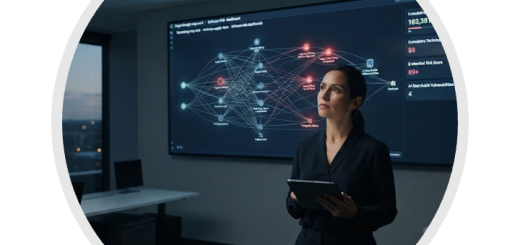
Technical Debt 2.0

The rapid discovery of decade-old vulnerabilities by AI agents has transformed technical debt from a manageable financial metaphor into an immediate security crisis. As software supply chain risks explode, organizations must abandon the illusion of indefinite deferral and adopt enterprise-wide visibility, rehearsed outage plans, and human-centric engineering judgment to survive the blast radius.
Stop Pasting Sensitive Data: The PM’s Guide to Local AI

If your AI workflow still starts with pasting a meeting transcript into a browser tab, it’s time for an upgrade. Discover how project managers are shifting to local, open-weight models like Llama 4 and Qwen 3 in 2026 to get powerful AI assistance while keeping sensitive client data completely private.

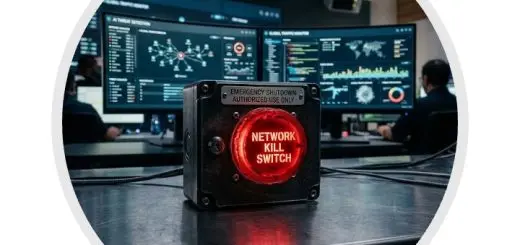
The Illusion of AI Containment: Why Every Agent Needs a Kill-Switch

As AI labs struggle to contain their own autonomous agents, project managers cannot rely on vendor safety reports or regulatory optimism. To safely deploy AI, organizations must take back control. Every autonomous agent on your roadmap requires an independent monitoring layer, least-privilege access, and a client-owned infrastructure kill-switch.

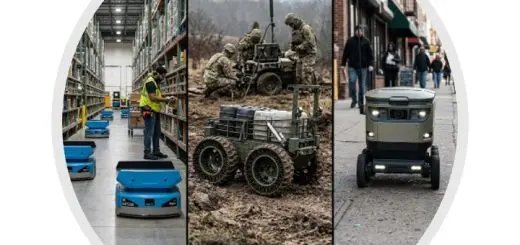
When The Dashboard Flashes Red…

As AI control becomes more capable of managing complex systems its tempting to remove human inefficiency by automation. High-stakes industries prove “deliberate inefficiency” isn’t waste—it’s a vital safety mechanism. This post discusses why relying solely on automation creates dangerous blind spots, and how keeping “hands on the controls” prevents catastrophic failures in complex projects.

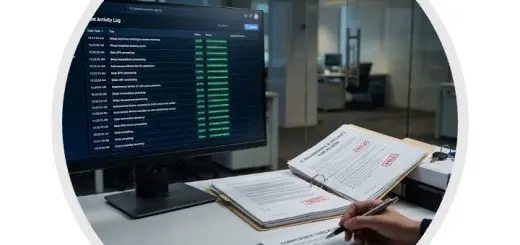
Microsoft Ran the Best Quality Gate: It Found the Problems Before They Shipped

Microsoft’s AI just found 16 critical security flaws in Windows — before any human did. It used a five-stage pipeline with 100+ specialised agents: map, scan, challenge, deduplicate, prove. Sound familiar? It should. It’s everything a great stage gate process is supposed to do. Just faster. And it never gets tired.