Category: Project Delivery
As AI control becomes more capable of managing complex systems its tempting to remove human inefficiency by automation. High-stakes industries prove “deliberate inefficiency” isn’t waste—it’s a vital safety mechanism. This post discusses why relying solely on automation creates dangerous blind spots, and how keeping “hands on the controls” prevents catastrophic failures in complex projects.
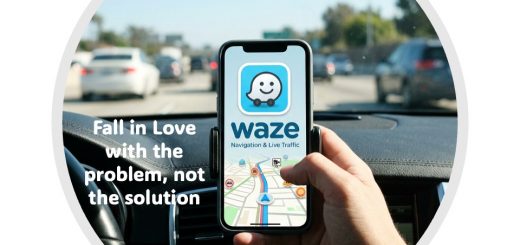
Drawing on Uri Levine’s “Fall in Love with the Problem, Not the Solution,” this piece explores why complex delivery demands failing fast, holding direction, and trusting the process over the deadline.
Your best ideas rarely show up at the desk. They show up in the shower, on a walk, half-asleep on a train. Gary Klein’s research on expert decision-making explains why: stepping back isn’t procrastination — it’s what lets years of compressed experience finally surface. Here are some reasons why distraction can be good.
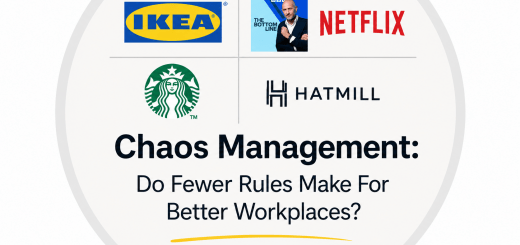
Modern projects rarely fail in a straight line — fix one bug, and two more appear. Drawing on real operational incidents and current complexity and psychological safety research, this piece argues that in genuinely complex systems, blame-free, human-centred leadership isn’t a soft skill — it’s the mechanism that actually contains the chaos.
The most dangerous word in corporate life right now is transformation. Not because change is wrong — but because it has become the default response to every performance problem, including the ones caused by too much change in the first place. Boeing, Toyota, Microsoft and Amazon all prove the same point. Stability wins.
You’re trusted, you deliver consistently, and your annual reviews are genuinely encouraging and yet when the promotion conversation comes around, someone else gets the nod and you get handed another project. This isn’t bad...
Most organisations don’t fail because people take too many risks. They fail because people stop taking them altogether. By confusing intelligent experimentation with failure, leaders inadvertently discourage innovation, slow AI adoption, and create cultures where good ideas die before they’re tested. The real competitive advantage isn’t technology—it’s learning.
Microsoft’s AI just found 16 critical security flaws in Windows — before any human did. It used a five-stage pipeline with 100+ specialised agents: map, scan, challenge, deduplicate, prove. Sound familiar? It should. It’s everything a great stage gate process is supposed to do. Just faster. And it never gets tired.
We don’t burn out during the sprint. We fracture in the void that follows. The stimulus is gone, but the nervous system hasn’t caught up. That gap — between peak pressure and sudden stillness — is where high-performing teams quietly fracture. The project isn’t complete until the people who delivered it have properly landed and returned to normality.
You’re writing dozens of emails a day — to execs, vendors, and your team. Each one carries tone you may not intend. One wrong phrase can collapse a relationship, delay a launch, or signal you’re not in control.